DEMO · permanent showcase
The DEMO reading room.
Eight practical reading guides: painting, prints, photography, sculpture, textiles, glass and collecting. Museum sources, clear image credits and original exercises.
These articles were prepared with AI assistance. They are labelled demonstration content, with sources supplied for further reading. No human review is claimed.
Magazine · DEMO
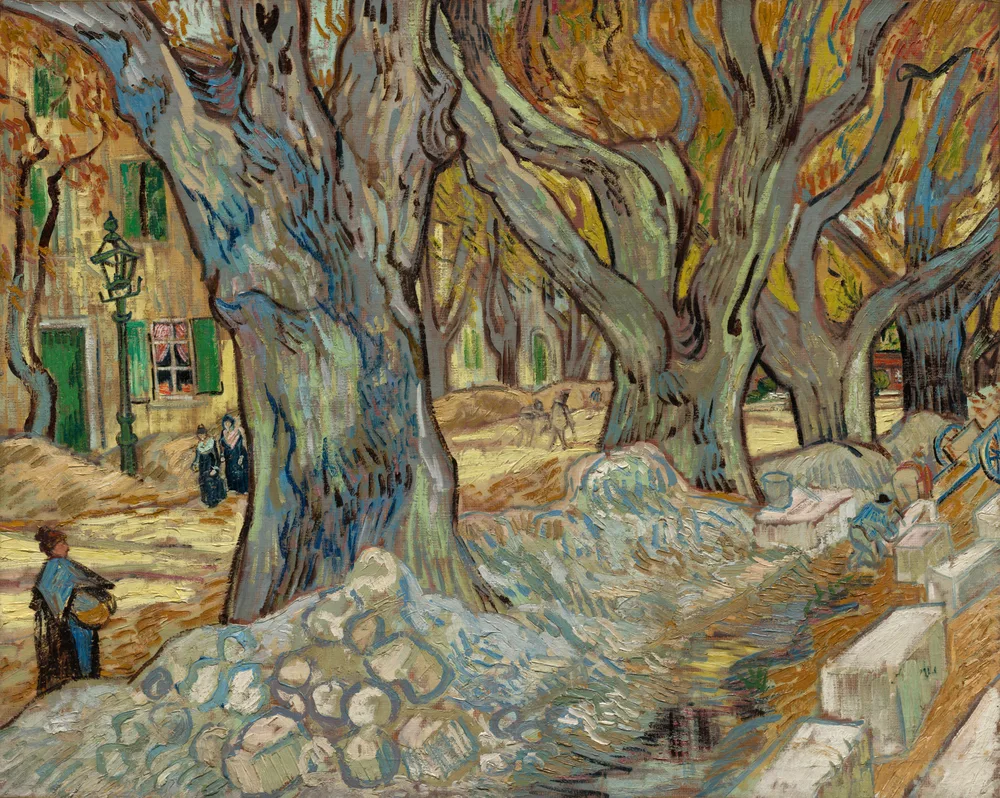
Ten minutes with a painting: the art of looking closely
Let Van Gogh and Monet guide you through colour, composition and detail. A simple way of looking to take into a museum or your own gallery.
Read the article →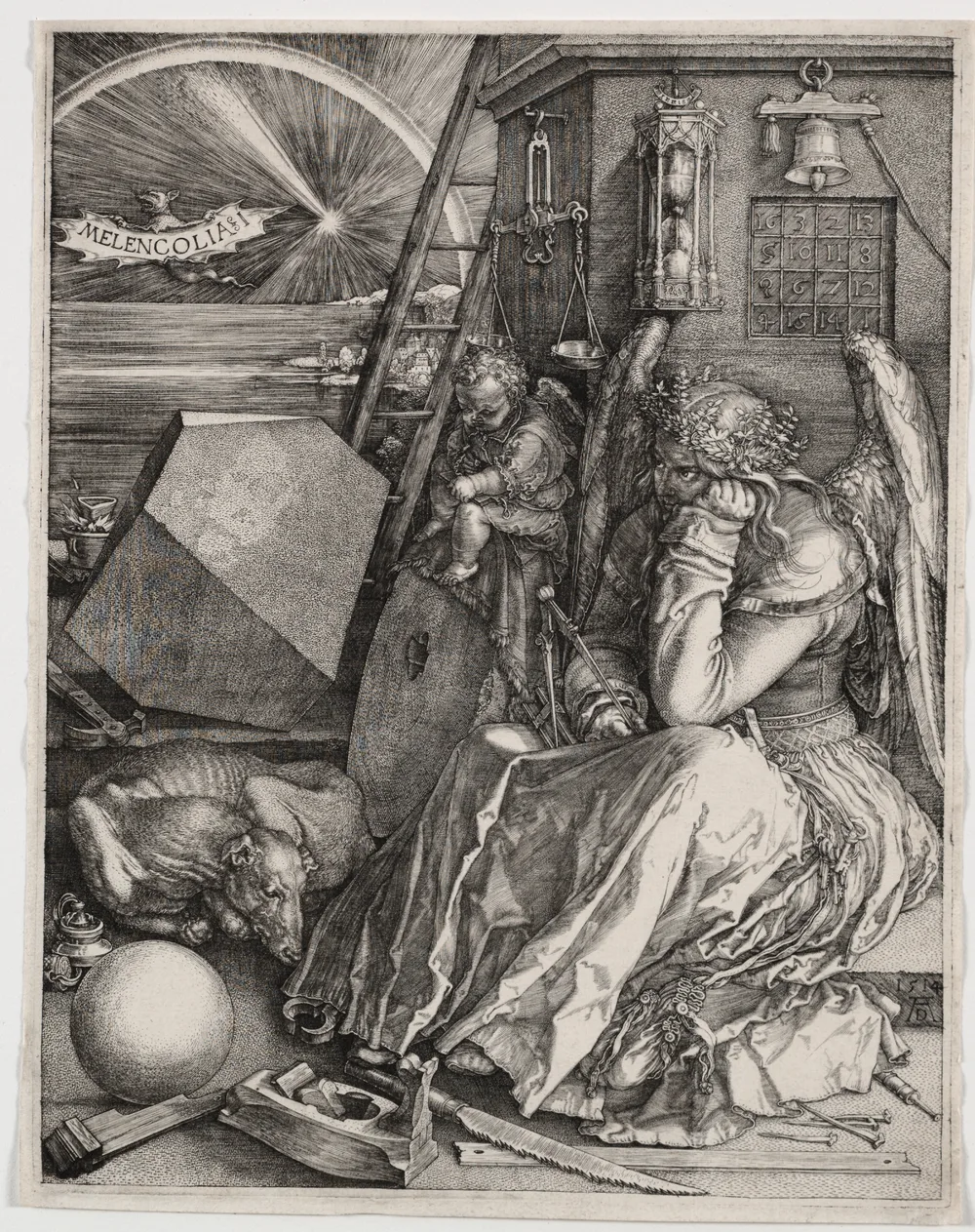
Magazine · DEMO
A print has its own language: Dürer, Hokusai and good questions
From engraved lines to the colour areas of a woodblock print. How to look at prints and distinguish technique, reproduction and a particular copy.
Read the article →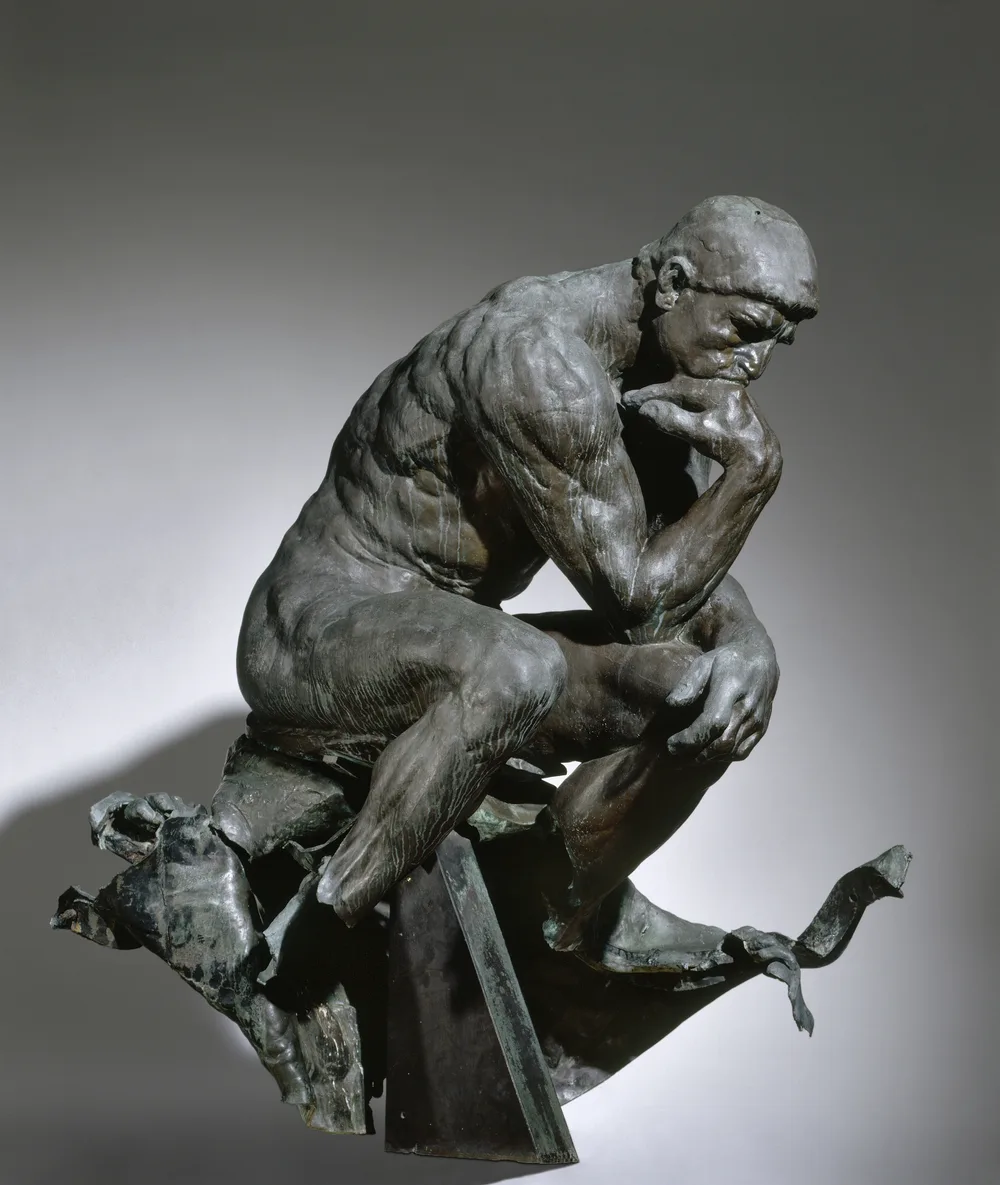
Magazine · DEMO
Sculpture needs space: look from three directions
Silhouette, scale and the viewer’s route. Rodin’s Thinker helps you prepare questions about sculpture, presentation and its place at home.
Read the article →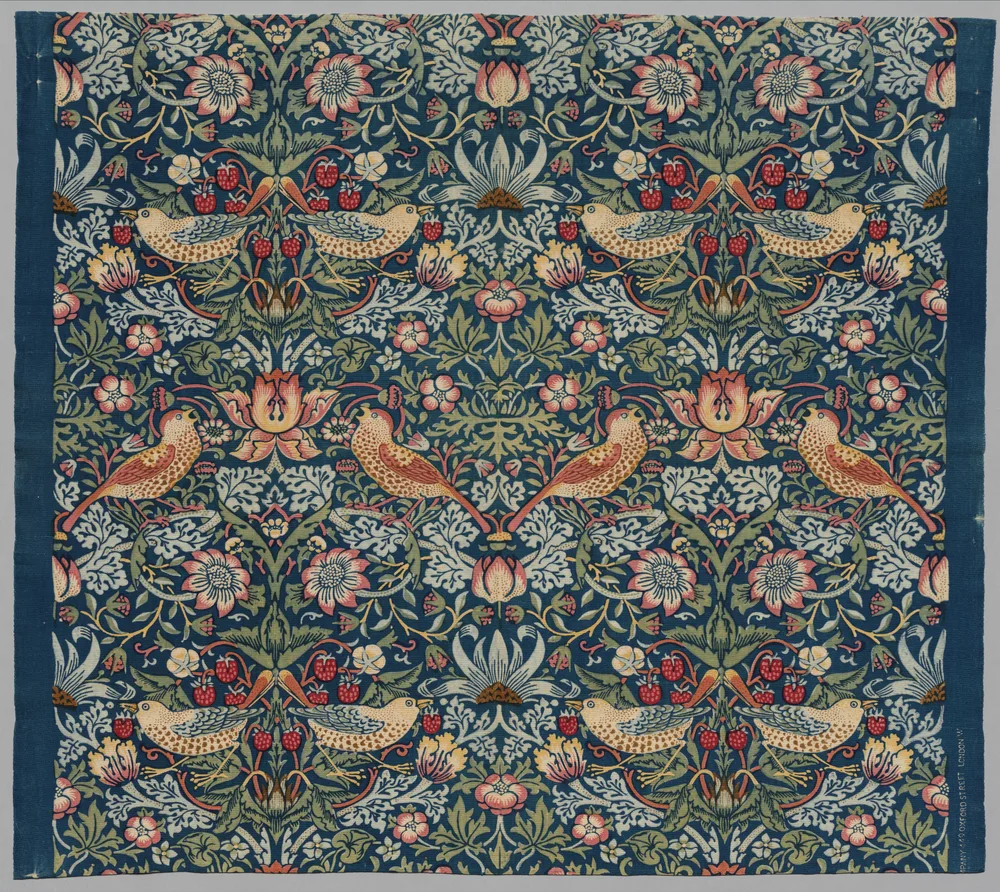
Magazine · DEMO
Morris and the rhythm of textiles: beyond ornament
Birds, leaves and repetitions. An exercise in looking at pattern, questions about material and the distinction between a design and its later example.
Read the article →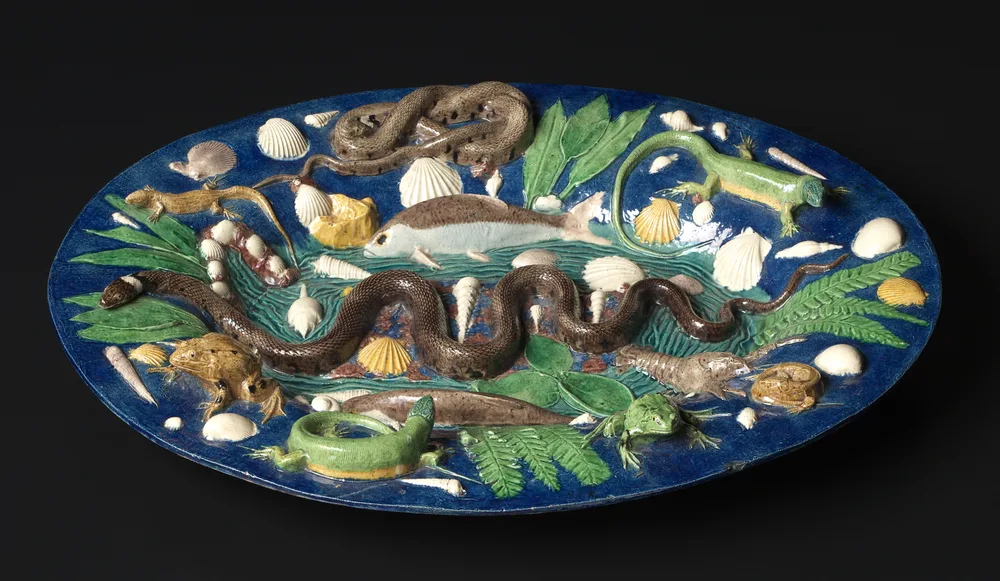
Magazine · DEMO
An artwork record that brings order to a collection
Ceramics as a starting point for useful documentation. A practical set of fields, photographs and questions separating sources from observations.
Read the article →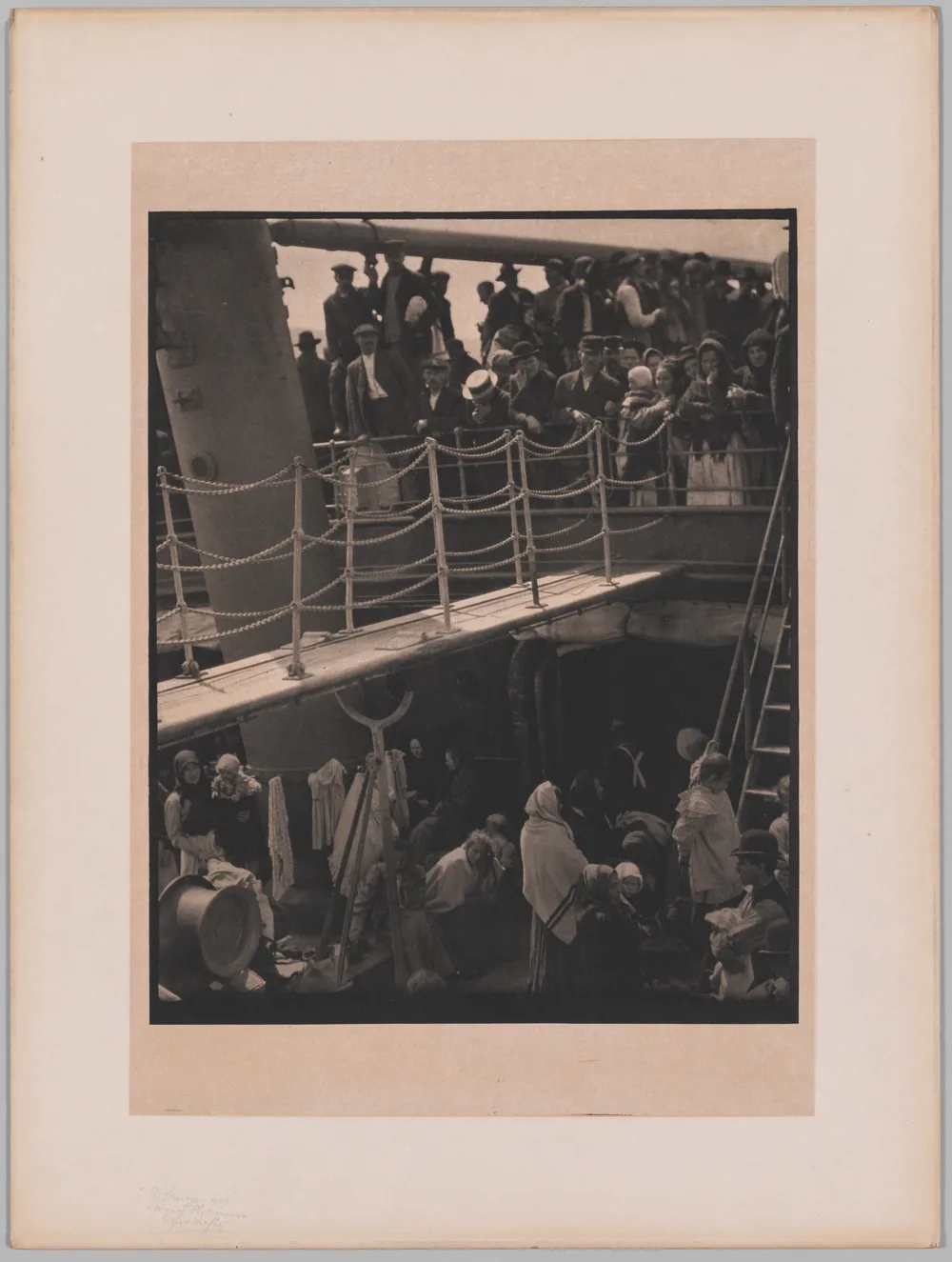
Magazine · DEMO
Photography in a collection: what to check
An image and a print raise different questions. Stieglitz helps us read dates, techniques, formats and the details of a particular copy.
Read the article →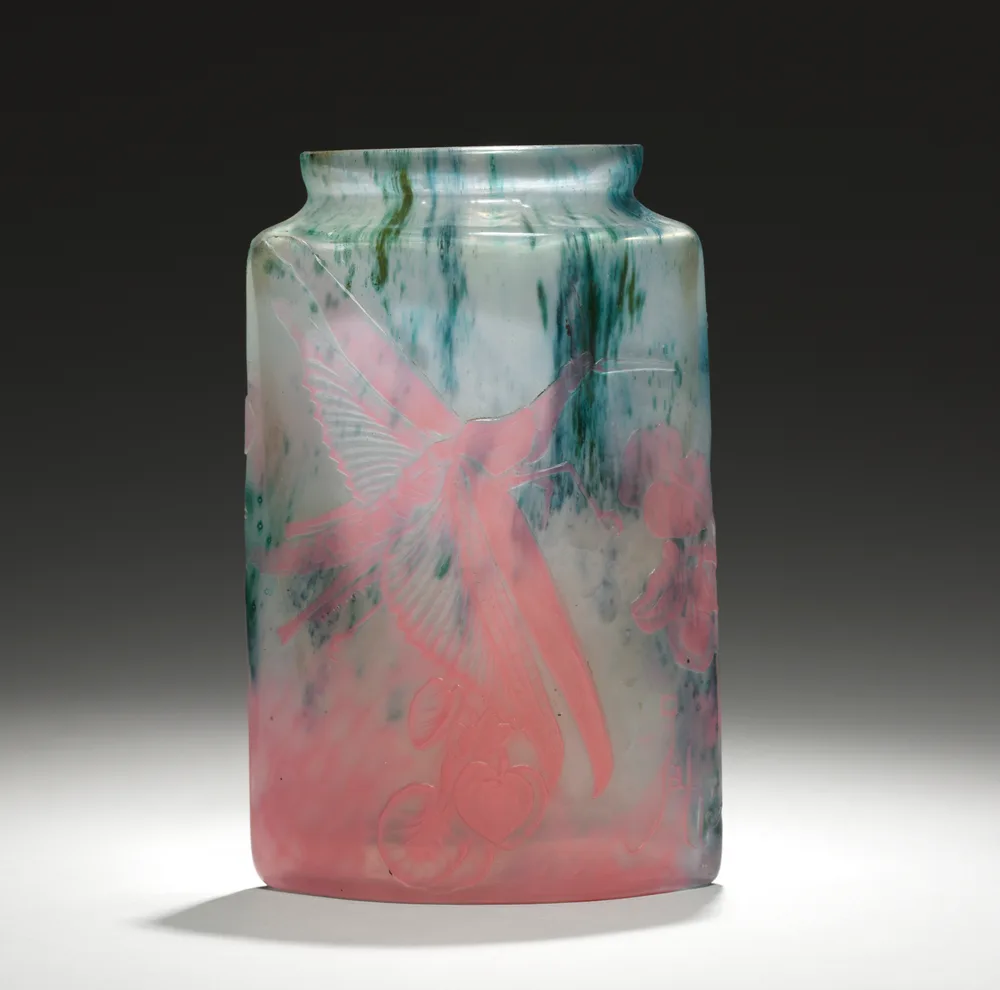
Magazine · DEMO
Light held in glass: Gallé and Tiffany
Contour, surface and colour. How to look at glass, compare photographs and ask an artist about presenting a particular work.
Read the article →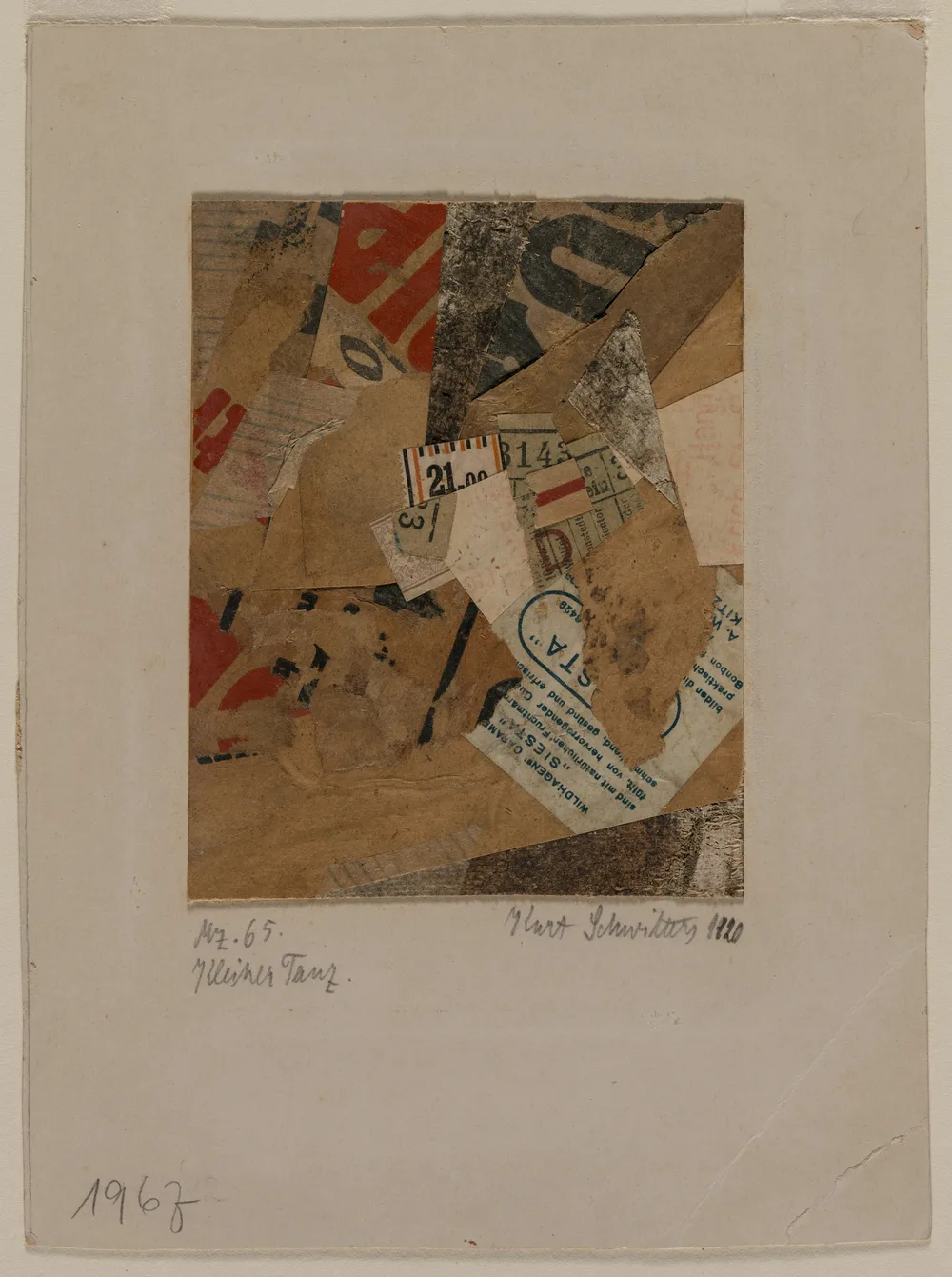
Magazine · DEMO
Collage: fragments and the art of placing things together
Begin with Schwitters to explore layers, edges and meanings. Try an exercise of your own: six paper fragments in three different arrangements.
Read the article →